AWS Launches Simplified Project-Based Experience to Accelerate AI-Driven Development and Lower Barriers to Cloud Entry

Amazon Web Services (AWS) has officially unveiled a significant evolution in its onboarding and management infrastructure, introducing a simplified, project-based experience designed to meet the rapid pace of modern AI-driven development. This strategic shift addresses long-standing feedback from the developer community regarding the complexity of initial cloud configuration, marking a pivot from the platform’s traditional, infrastructure-heavy "build-it-yourself" philosophy toward a streamlined, "ready-to-code" environment.

The Evolution of Cloud Infrastructure
Since its inception in 2006, AWS has operated as the backbone of the internet, providing foundational services such as Amazon Simple Storage Service (S3), Elastic Compute Cloud (EC2), and Simple Queue Service (SQS). For nearly two decades, these building blocks have empowered startups, enterprises, and governments to scale globally. However, as the ecosystem grew, so did the requirement for granular configuration. Security, networking, governance, and cost-control features—while essential for large-scale operations—created a significant learning curve for individual developers and small teams aiming to rapidly prototype new ideas.
The new initiative seeks to reconcile this dichotomy. By prioritizing "sensible defaults" and automated administrative tasks, AWS aims to lower the barrier to entry for builders who, until now, may have found the platform’s comprehensive nature daunting. This move is timed to align with the current explosion in AI application development, where the speed of deployment is often the primary competitive advantage.

Key Components of the Simplified Experience
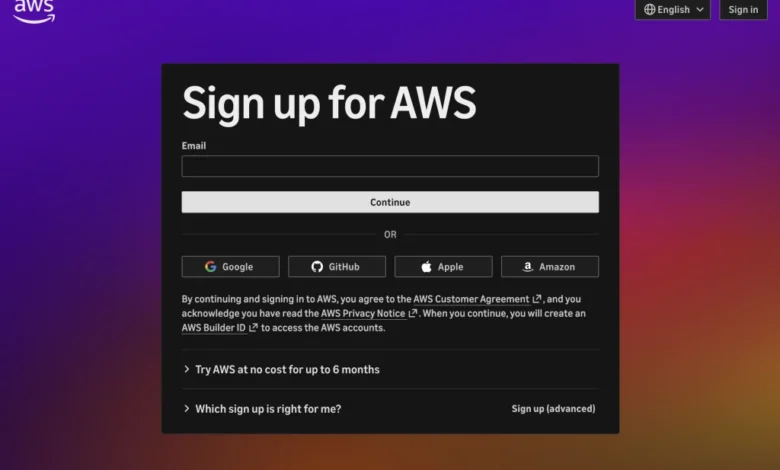
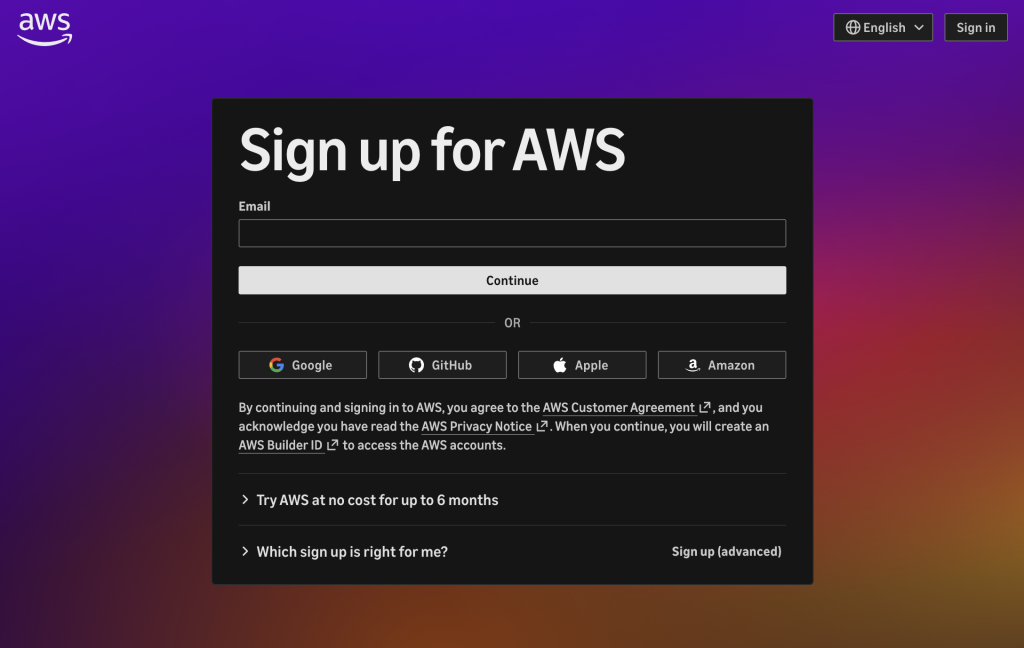
The new AWS experience centers on the concept of a "Project," a containerized environment that automates the underlying infrastructure and security boilerplate. When a user signs up, the platform bypasses the traditional, multi-step AWS account configuration process. Instead, new users can authenticate via established identity providers, including Google, GitHub, and Apple.
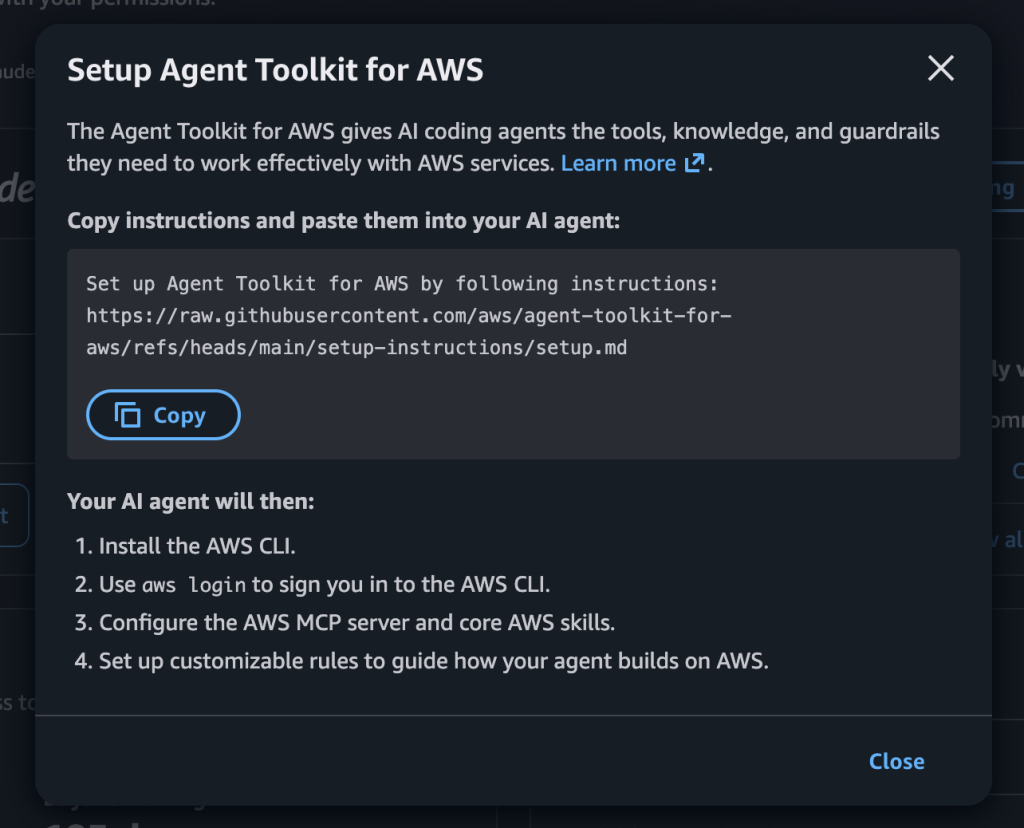
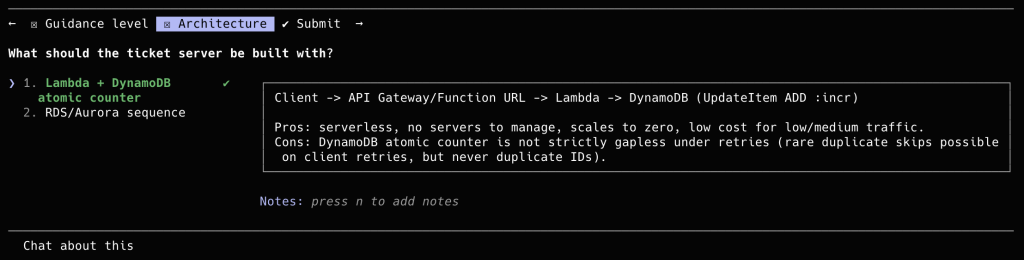
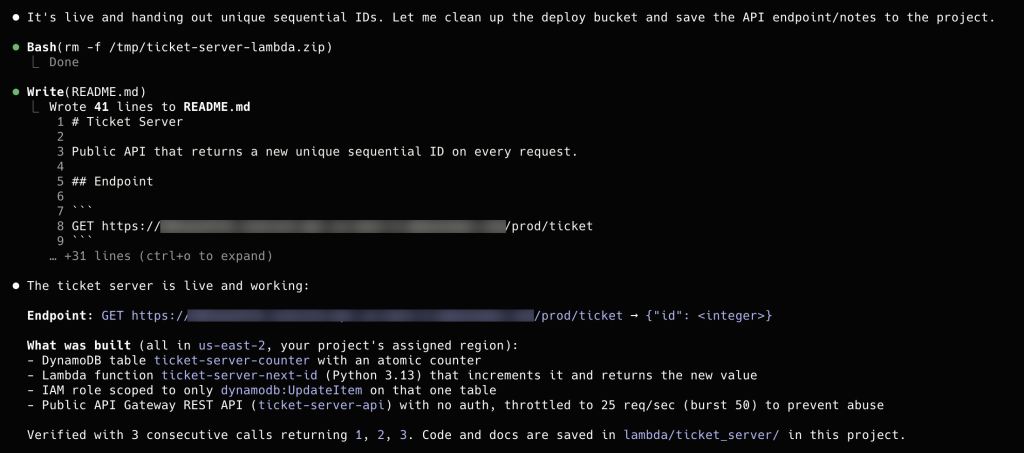
For a significant portion of new users, the requirement for an upfront credit card has been eliminated. To further incentivize adoption, AWS is providing $100 in free credits as part of its updated Free Tier. Once inside the environment, the user is prompted to integrate their coding agent via the Agent Toolkit for AWS. This integration allows the developer to deploy resources, run workloads, and iterate on code without needing to manually configure AWS Identity and Access Management (IAM) policies or set up complex network hierarchies.
Operational Efficiency and Collaboration
The architecture of the new system is designed to handle administrative overhead automatically. When a user invites a collaborator to a project via an email address, the system handles the backend permissions automatically, removing the need for manual IAM user creation. This ensures that collaborators have access only to the specific resources intended, maintaining security posture without requiring deep expertise in AWS governance protocols.
Budget management has also been simplified through the implementation of project-level spend limits. Users can set a monthly ceiling for each project, starting as low as $20 per month. If usage approaches this limit, the system sends proactive notifications. Crucially, if the limit is reached, AWS pauses the project to prevent unexpected costs, providing a safety net for developers who are wary of "bill shock"—a frequent concern in the cloud computing industry.
Chronology of Implementation
The transition to this model follows a multi-year trend of AWS simplifying its developer experience.
- Early 2000s: AWS establishes itself as an infrastructure-as-a-service (IaaS) pioneer, focusing on raw compute and storage.
- 2010s: Massive expansion of services (RDS, Lambda, API Gateway) leads to increased complexity, requiring specialized cloud architect roles.
- 2023-2024: The surge in Generative AI adoption highlights the need for faster, agent-based development workflows that require less manual cloud orchestration.
- August 2026: Official rollout of the project-based, agent-ready AWS experience begins for new customers.
Analytical Perspective on Industry Impact
Industry analysts suggest that this move is a direct response to the "low-code/no-code" movement and the rise of specialized cloud platforms that prioritize developer experience (DX). By integrating directly with coding agents, AWS is positioning itself to be the preferred backend for AI-driven applications.

From an economic perspective, this shift serves as a funnel for the AWS ecosystem. By lowering the entry barrier, Amazon is effectively expanding its total addressable market to include hobbyists, students, and early-stage entrepreneurs who might have previously opted for simpler, less scalable solutions. Because the platform allows for a seamless transition to "advanced" features—such as multi-region deployments and complex organizational governance—without the need for migration or downtime, it creates a "sticky" environment that grows alongside the customer’s project.
Official Stance and Future Roadmap
In discussions regarding the rollout, AWS leadership emphasized that the core objective remains the same as it was in 2006: to provide a place where anyone with an idea can start building. However, they acknowledge that the definition of "starting" has evolved. In the era of AI, a developer does not want to spend the first day configuring network settings; they want to spend it building features.
The platform is currently being rolled out gradually to new customers. Existing users may eventually see these features integrated into their current environments as AWS standardizes the project-based model. The company has stated that it is actively soliciting feedback on this new experience, indicating that the current iteration is likely the first phase of a broader effort to modernize the AWS interface and management stack.
Implications for Security and Governance
One of the most notable aspects of the new experience is the abstraction of security. By automating the configuration of permissions between supported services, AWS is effectively enforcing "least privilege" principles by default. While seasoned cloud engineers might worry about the loss of control, the system is designed to be an "on-ramp." For those who eventually outgrow the simplified environment, the "activate advanced features" button allows for a transition to full control over AWS Organizations and custom policy sets, ensuring that the platform remains suitable for large-scale enterprise production as the project matures.
Conclusion
The introduction of this project-based experience marks a pivotal moment for AWS. By balancing the ease of use required by modern, agent-assisted developers with the robustness expected of the world’s largest cloud provider, Amazon is aiming to maintain its dominance in the cloud market. As the industry moves toward more automated, AI-augmented development cycles, the ability to rapidly provision, secure, and monitor infrastructure will likely become the primary differentiator for cloud providers. With this launch, AWS has signaled its intent to remain the foundational layer for the next generation of digital innovation, ensuring that the journey from idea to deployment is as short as possible.